Write a usable character brief
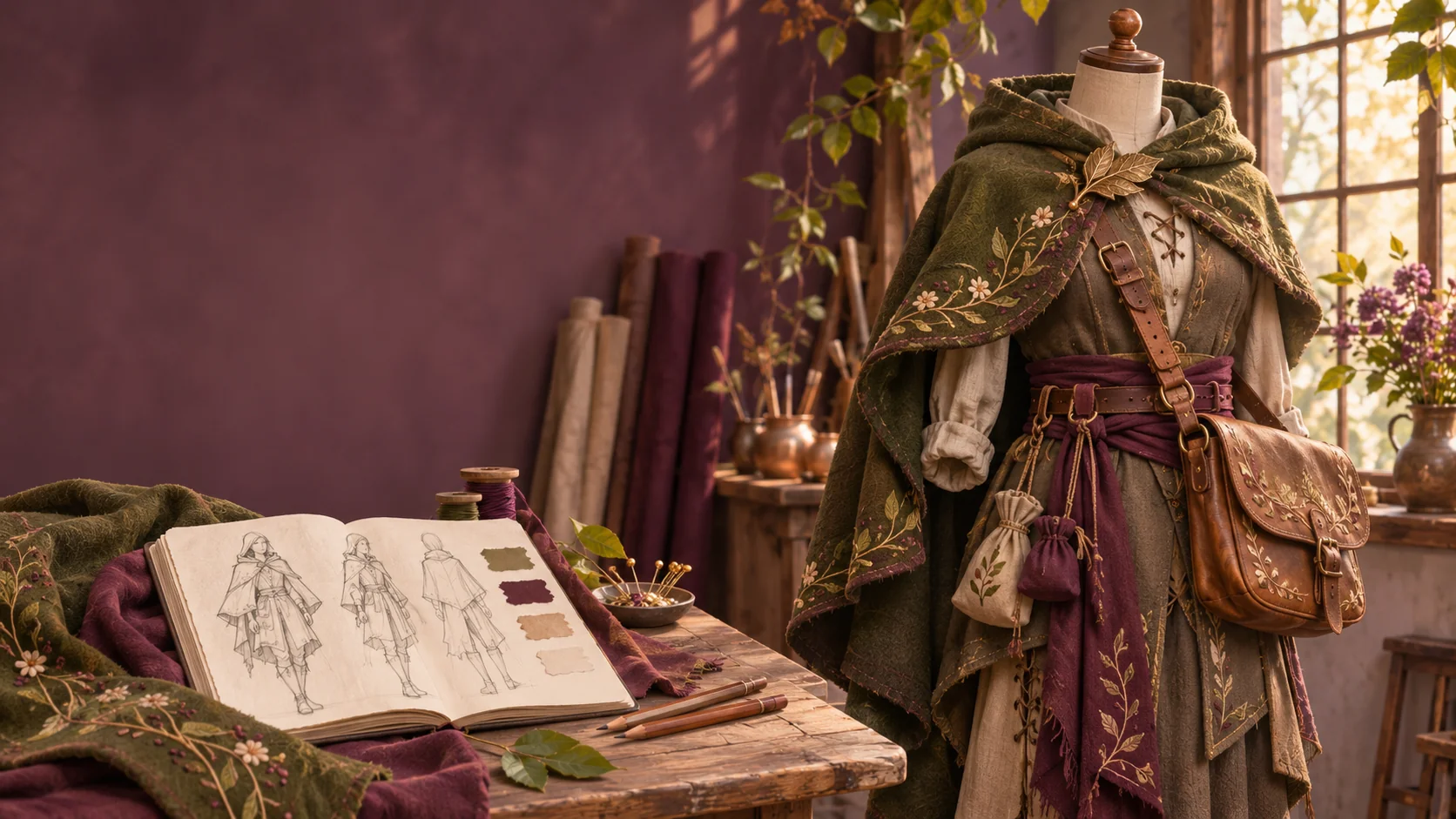
Describe who the character is and what they do. A traveling herbalist might carry pockets and a bag, while a ceremonial guardian might have a more formal silhouette. These are design prompts, not rules. Choose two or three details you want people to notice, so every part of the outfit is not competing for attention.
Make a reference sheet
Draw front, side and back views. Add a small color palette, material notes and an accessory list. Mark essential details and optional ones. Keep inspiration images labeled with their creators. If you commission artwork or clothing, agree how the design may be used and credited rather than assuming that payment covers every possible use.
Turn the drawing into layers
Work outward from clothing you can move in. Decide how each accessory attaches and where you will carry everyday items. A coat can hide a belt attachment but also catch on a tail. Test large shapes in paper before choosing the final material. Our tail project explains one removable accessory.
Explain the character simply
A name card, caption or a few poses can introduce your design. You do not have to perform in character all day. A sentence such as “This is my original forest courier” gives someone a starting point. Ask before involving other attendees in roleplay, especially if a scene includes touching or pretend conflict.
Revise after the first wear
Photograph the outfit from several angles and note which fastenings or shapes need work. Simplifying a prop can improve the whole design. Kamui Cosplay describes cosplay as creative expression, and an original character can be approached with that freedom. Keep the reference sheet updated so your next version starts from what you learned.
Define the original character
OC means original character: a person or creature you create rather than reproduce from an existing story. In cosplay, an OC project turns that idea into a wearable design. You may invent a full backstory or start with one visual concept. Neither approach is required for the other. What helps is a short description of who the character is and how the outfit expresses that identity. An OC can belong to a world you invent or draw inspiration from a broad genre, while avoiding a direct copy of someone else's distinctive character. The project gives you creative freedom and the practical responsibility to make the design coherent.
Write a brief you can use
Describe the character's setting, role, personality and one visual feature in a few sentences. For example, a traveling archivist might need pockets, weathered colors and a distinctive notebook. The brief should guide choices, not become a long biography that delays making. Decide where the costume will be worn and what the character needs to do there. A full-day convention calls for different shoes and storage from a short studio photograph. Keep the brief visible when shopping. If an item does not support the character or the wearing plan, it may be an optional detail rather than an essential purchase.
Create a reference sheet
Draw or assemble front, side and back views, even if they are simple sketches. Label colors, fabrics, accessories and the way pieces attach. A reference sheet helps you notice when one side is unfinished or a large piece blocks another. It also gives collaborators a clearer starting point. If you commission a component, explain measurements and the intended materials rather than relying on a mood board alone. Keep versions of the sheet as the design changes. An OC is not fixed forever, but documenting the current version makes the first build easier to complete.
Choose a recognizable silhouette
Start with the large shapes a viewer sees from several steps away: coat length, headpiece, shoulder line or prop outline. Then choose a limited color palette and one focal detail. A design with many unrelated ornaments can be harder to read than a simpler one with a clear theme. If a feature is too heavy or wide for the venue, adapt its shape. A small repeated motif on clothing and accessories can connect the look without requiring a large prop. Photograph a paper or clothing mock-up to see whether the overall design still communicates the character.
Build from wearable layers
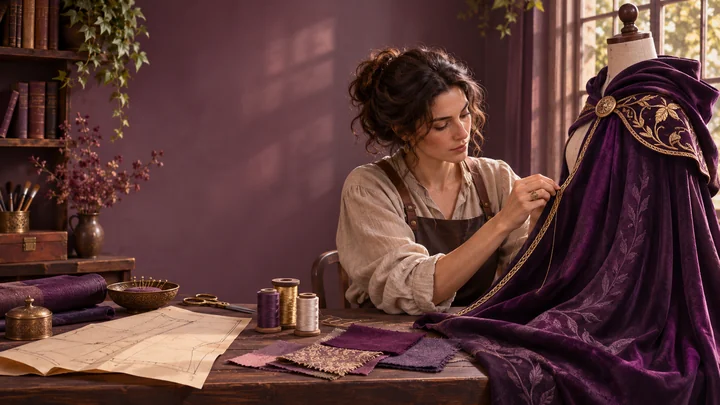
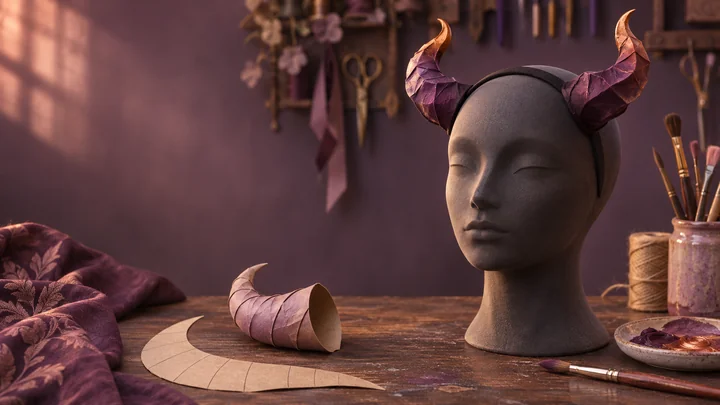
Make an early version with clothing you can move in, then add decorative parts. Consider how the outfit is put on and removed, where you will carry essentials and whether it fits the weather. If you make armor, horns or a tail, test the attachment before painting. Follow product instructions for tools, adhesives and coatings. Leave time for a full rehearsal with shoes and hairstyle. The OC design belongs to you, so you can change it when a choice proves uncomfortable. A practical revision is part of authorship, not a departure from the character.
Explain the idea simply
When someone asks who you are portraying, a one-sentence answer is enough: name the character and one memorable part of the concept. You do not have to recite the whole backstory. If you share the design online, include a reference image and credit collaborators or sources of patterns. Ask before using another person's photographs of the costume. If you take inspiration from a culture, profession or real community, research the details rather than reducing it to a stereotype. An OC can be imaginative while still showing care for the people and ideas that influenced it.
Revise after wearing it
Take notes about fit, movement and how people understood the design. Maybe a color was lost in photographs, a prop made transport difficult or the character's key motif was hidden. Choose one change for the next version rather than rebuilding everything. Keep the successful pattern pieces and record material sources. If you write new backstory, let it inform specific visual choices. An OC can develop across several outings. The first costume is a working interpretation, not a final exam of whether the character exists.
Use craft and event references
Kamui Cosplay's maker profile illustrates how costume construction can combine multiple crafts. Material safety guidance shows why unfamiliar products require exact instructions. Comic-Con's policies are an example of prop and oversized-costume limits, and New York Comic Con's cosplay page addresses consent and event resources. These sources support the practical build and visit. They do not prescribe an OC's story or appearance. Use them where the design meets real materials and shared spaces, while keeping the creative direction your own.
Questions about original characters
Can an OC be inspired by a genre? Yes, but choose your own defining features rather than copying a recognizable design. Do you need to publish a backstory? No; a short private brief can guide the build. Can you change the design later? Yes, especially when the first outfit reveals a fit or transport problem. Must you make every item yourself? No; bought, altered and handmade elements can work together. What if viewers do not recognize the character? Give them a short introduction and let the visual theme do the rest. An original design does not depend on strangers already knowing its name.
A compact design checklist
Can you describe the character in one sentence? Do the silhouette, colors and focal detail support that idea? Can the complete outfit be worn and removed comfortably? Have you tested the accessories with the actual clothing? Does the design fit the event's prop and size rules? Is the reference sheet clear enough to guide a repair or a second version? If any answer is no, change one part at a time. An original character can remain visually consistent while the costume improves. Keep the successful version documented so future alterations build on what you learned instead of starting from memory.