
Choose a small first result
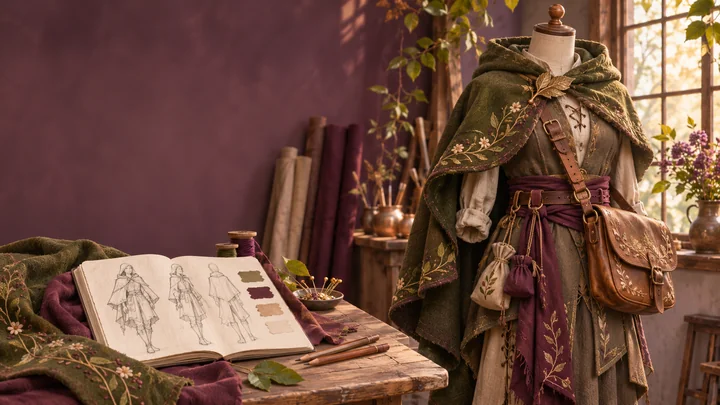
Pick an outfit with recognizable everyday clothing or one small handmade accessory. Write down what would make the project feel finished to you. A jacket, simple hairstyle and one distinctive item may be enough for a first photo. Keep a more elaborate version as a later project rather than the entry requirement.
Use what you already have
Check your wardrobe and basic supplies before shopping. Try the clothing together and photograph the silhouette. Note only the missing pieces that change the look. Our character-selection guide helps compare a few options when you are unsure where to begin.
Practice one new skill
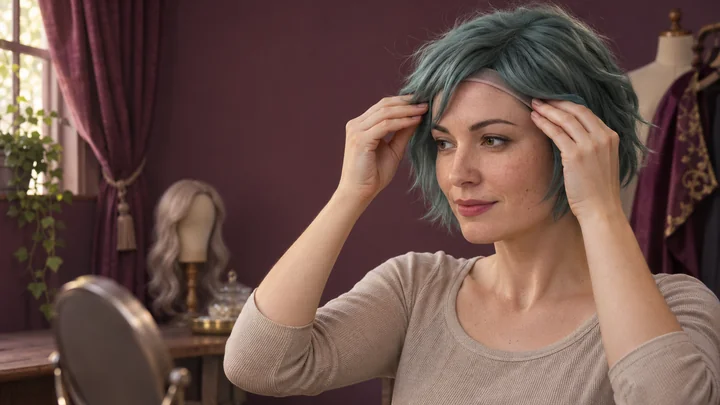
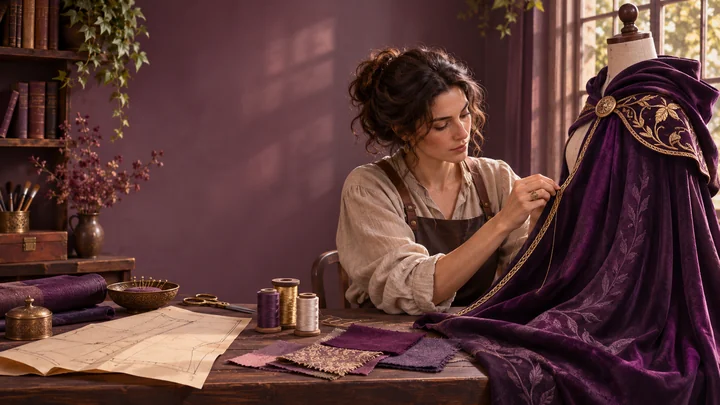
Choose a single technique, such as a small seam, a felt accessory or a wig fitting. Make a sample on spare material before using the final piece. Kamui Cosplay shares learning resources alongside its costume work, illustrating that learning is part of the hobby rather than a stage you must finish first.
Try the outfit at home
Check whether you can sit, walk and remove each piece without help. Take a few photos in ordinary light. You may discover that a small fit change matters more than another accessory. Keep the first test short and reversible so you can adjust the plan without feeling committed to every purchase.
Choose whether to share it
You can keep the project private, show friends or attend an event. None is required to make it count as cosplay. If you attend, read the organizer's rules and plan transport and changing space. The full project workflow is the next step when you want to build a more involved outfit.
Start with what interests you
Think about the character, story or visual style that makes you want to try cosplay. You do not have to know every detail of a series to enjoy making an outfit. Choose a reference that gives you a clear starting point and suits the time you have. Write one sentence about what you hope to learn or experience. It might be styling a wig, making a small accessory or attending an event with friends. This keeps the first project focused. A costume is a way to participate, not an entrance exam that requires expert knowledge.
Pick a small first build
Choose an outfit with a few recognizable elements and no complicated structure. A color palette, jacket and one safe accessory may communicate a character well. Decide which detail matters most, then make or adapt that piece first. If you choose a design with armor, elaborate makeup or a large prop, reduce it to a wearable version for the first outing. Use a paper pattern or inexpensive test material before cutting the final fabric. A short project that reaches completion will teach more than a large one you cannot finish in time.
Use available clothing and tools
Look through clothes, shoes and accessories you already own. Note what can be adapted without damaging something you need for daily wear. Borrowing an item can be useful when the owner agrees and you can return it in the same condition. Check local libraries or community workshops for tools and classes before buying equipment for a single project. Set a budget for materials, tickets and travel separately. The hobby can become expensive when every idea is treated as a shopping task. Your first build only needs to work for your chosen goal.
Learn one skill at a time
If sewing is new, try a simple seam on a scrap. If makeup is the focus, practice a look at home using products suitable for your skin and follow their instructions. If you work with foam or adhesive, read the product's handling and ventilation guidance. Do not use unfamiliar materials directly on skin merely because someone in a video did. Take a photograph after each practice attempt and note what changed. Small repeated tests give you a reliable method. It is also fine to buy a suitable piece and spend your time learning fit and styling instead of fabrication.
Find a welcoming community
Look for a local club, workshop or moderated online group where people share process and answer beginner questions respectfully. Describe the specific problem you are solving when asking for advice, including the material and what you have already tried. Credit tutorials and patterns that help you. You can participate by watching panels, complimenting a build or sharing a small completed step. Avoid groups that turn every choice into a ranking of who is a real fan. A useful community makes it easier to learn, make friends and recognize when a technique needs expert help.
Rehearse before any event
Wear the complete outfit at home for more than a quick photo. Walk, sit, reach for your bag and check how shoes, wig and accessories behave together. Decide where your ticket, phone and payment method will go. If a piece becomes uncomfortable, change it while you still have time. Read the organizer's current costume and prop rules and plan transport. A lightweight backup can be valuable if a prop is refused or a part breaks. If you do not want to attend an event, a home photo session is also a valid first finish line.
Set your own boundaries
You decide whether to share images online, accept photographs at an event or perform as the character. Other people may admire an outfit, but that does not give them permission to touch it or demand a pose. Ask before photographing another cosplayer and accept a refusal. Keep personal information out of public posts if you prefer privacy. If you attend with a friend, agree on a meeting point and a way to take breaks. Cosplay can be social, but it does not require constant availability to strangers. A good first experience is one you can enjoy on your terms.
Review the result without judging yourself
After the first project, identify one thing you are pleased with and one thing you would change. Record useful measurements, sources and material choices while they are fresh. Repair and store the pieces you want to reuse. If the costume did not feel right, consider whether the issue was fit, schedule, budget or the chosen event rather than assuming the whole hobby is wrong for you. Try a smaller or different approach next time. People continue in cosplay by learning from each outing, not by producing a perfect first costume.
Check primary guidance for the outing
If you attend a convention, its own policy and help pages are more reliable than a general guide. New York Comic Con's cosplay page describes photo consent and event resources. Comic-Con's policy page illustrates prop inspection and venue restrictions. Accessibility information can help you plan services and routes. For unfamiliar casting or coating products, manufacturer safety instructions show why the precise material matters. These sources are examples; check the actual organizer and product labels for your project. A careful first outing can still be inexpensive and simple.
Questions beginners often ask
Do you need a convention ticket to start? No. Making a small accessory or trying an outfit at home counts as a first project. Is it acceptable to use a purchased costume? Yes, unless a particular contest has construction rules that you intend to enter. How much should you spend? Set a total you can comfortably afford and include travel and ticket costs if you plan an event. What if you do not recognize every detail of the character? Learn what interests you without treating fandom knowledge as a qualification test. Where do you find help? A local workshop, library program or moderated maker group can offer advice. Ask a focused question, read the material instructions and test a small step. You can choose a private or public way to enjoy the result.